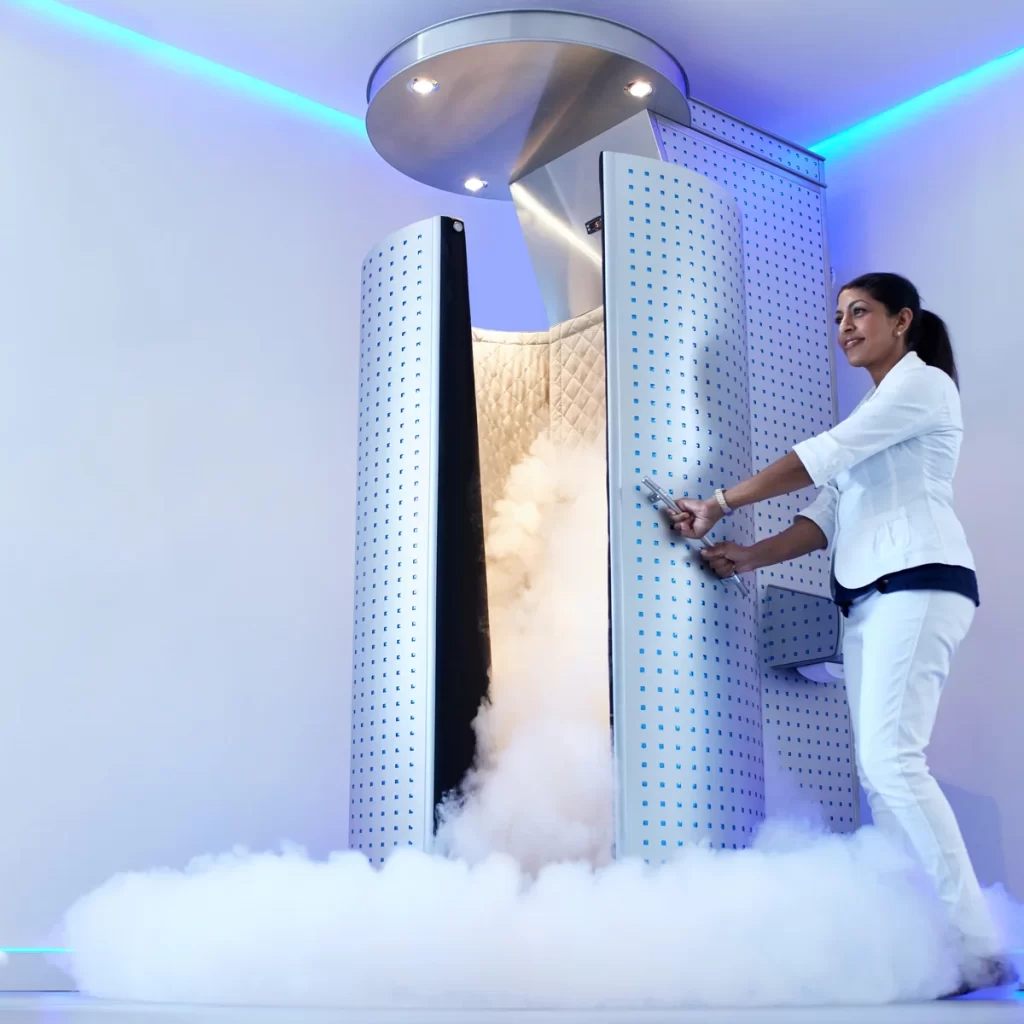
Cryotherapy, a treatment that involves exposing the body to extremely cold temperatures for a short duration, has gained significant attention in the health and wellness industry for its potential benefits in boosting metabolism and aiding weight loss. Originating as a method for reducing inflammation and managing pain, cryotherapy has evolved into a multifaceted therapy embraced by fitness enthusiasts, athletes, and individuals seeking to enhance their metabolic function and manage weight more effectively. One of the primary mechanisms by which cryotherapy supports weight loss is through the stimulation of the body’s natural thermogenic response. When the body is exposed to cold temperatures, it must work harder to maintain its core temperature. This process, known as cold-induced thermogenesis, triggers an increase in metabolic rate. The body begins to burn more calories in an effort to generate heat, thereby increasing energy expenditure. Some studies suggest that a single cryotherapy session can cause the body to burn several hundred calories, which, when combined with regular sessions and a healthy lifestyle, can contribute significantly to long-term weight management.
In addition to calorie burning, cryotherapy can enhance the function of brown adipose tissue BAT, a type of fat that is highly active in producing heat by burning calories. Unlike white fat, which stores energy and contributes to weight gain, brown fat is metabolically beneficial. Cold exposure activates BAT, leading to increased calorie consumption and improved metabolic efficiency. For individuals struggling with sluggish metabolism, this activation can provide a natural boost that supports more effective fat loss. Cryotherapy may also influence hormone regulation and appetite control, both of which are crucial factors in weight management. Exposure to cold temperatures can stimulate the release of norepinephrine, a hormone that not only helps in fat breakdown but also suppresses appetite. This dual action means that cryotherapy could help reduce food cravings and emotional eating, making it easier for individuals to stick to a calorie-controlled diet. Additionally, cryotherapy is known to elevate endorphin levels, improving mood and motivation, which are often key psychological components in successful weight loss journeys. Furthermore, cryotherapy aids in reducing inflammation and improving recovery time after exercise.
For individuals engaging in regular physical activity, this benefit is particularly valuable. Reduced muscle soreness allows for more consistent and intensive workouts, which can accelerate weight loss efforts. Cryotherapy’s anti-inflammatory effects can also improve insulin sensitivity and reduce cortisol levels, both of which are linked to better weight regulation and reduced fat accumulation, especially around the abdomen. While it can support metabolic function and enhance other efforts, it should be integrated into a comprehensive lifestyle approach that includes balanced nutrition, regular exercise, and sufficient sleep. Individuals considering cryotherapy should also consult with a healthcare provider, particularly if they have underlying medical conditions or are new to cold exposure treatments. The cryotherapy offers a compelling and scientifically backed method for boosting metabolism and supporting weight loss. By enhancing thermogenesis, activating brown fat, regulating appetite hormones, and improving recovery, it serves as a valuable tool in a holistic approach to health and fitness. As research continues to uncover more about its benefits, cryotherapy may play an increasingly prominent role in modern wellness strategies.