Selecting suitable can dimensions plays an important role in creating smooth, organized, and productive filling operations. The right size supports efficient material handling, consistent filling, convenient storage, and attractive product presentation. Careful planning also helps align container capacity with production targets while encouraging dependable workflow performance. By reviewing dimensions, capacity, shape, and handling requirements together, manufacturers can establish a practical packaging approach that supports quality and productivity.
Understanding Can Dimensions
Can dimensions influence several stages of production, from filling and sealing to transportation and storage.
- Diameter affects equipment compatibility and handling stability.
- Height influences filling volume and stacking arrangements.
- Capacity helps match the container with intended product quantities.
- Wall proportions can support strength and dependable performance.
- Consistent dimensions encourage repeatable production results.
Reference resources such as https://www.levapack.com/standard-can-sizes/ can also help teams review common sizing considerations when planning suitable container formats.
Supporting Filling Efficiency
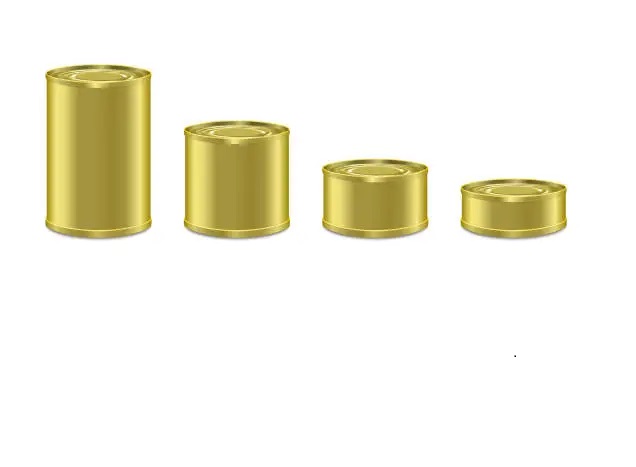
Well-matched dimensions can make filling operations more organized and predictable.
- Appropriate capacity reduces unnecessary overfilling or underfilling.
- Uniform dimensions encourage consistent positioning during processing.
- Suitable openings can support smooth product entry.
- Balanced proportions can improve container stability.
- Standardized sizes may simplify handling between production stages.
These advantages create a foundation for efficient workflows while supporting reliable output.
Improving Production Planning
Can size selection can contribute positively to broader production planning activities.
- Multiple practical sizes can support different product quantities.
- Consistent formats may simplify inventory organization.
- Suitable dimensions can improve packing density.
- Planned sizing can support efficient material utilization.
- Clear specifications make production preparation easier.
A thoughtful approach allows packaging requirements to remain closely aligned with operational goals.
Enhancing Storage And Handling
Efficient dimensions provide benefits beyond the filling stage.
- Stable shapes can make stacking more convenient.
- Appropriate height-to-diameter ratios can support secure handling.
- Consistent sizing can simplify storage arrangements.
- Compact formats may encourage efficient use of available space.
- Predictable dimensions can make transportation preparation smoother.
Better dimensional planning therefore supports an orderly flow from filling through final packaging.
Building Flexible Production Systems
Production requirements can change as product quantities and packaging needs evolve. Selecting versatile can dimensions can provide valuable flexibility.
- Different capacities can accommodate varied fill requirements.
- Consistent formats can support scalable production planning.
- Practical dimensions can simplify future packaging adjustments.
- Compatible sizes can encourage efficient equipment utilization.
- Carefully selected containers can support dependable presentation.
Ultimately, matching can dimensions with production requirements creates a strong foundation for efficient packaging operations. Attention to capacity, proportions, filling compatibility, storage, and handling can improve workflow coordination while supporting consistent quality. With thoughtful dimensional planning, production teams can achieve a balanced packaging process that encourages productivity, organization, flexibility, and dependable results across routine operations.