Business

Choosing Suitable Containers through Different Paper Cup Sizes

Selecting suitable containers becomes easier when cup capacity, beverage type, and practical serving needs are considered together. Different paper cup sizes provide useful options for small portions, everyday drinks, and larger refreshments. Understanding these choices can help create organized serving routines while supporting convenience, presentation, and customer satisfaction. A clear size plan also makes storage and ordering more manageable.

Understanding Common Cup Capacities

Paper cups are commonly identified by ounces or millilitres, with each capacity supporting different serving purposes. Reviewing the available range helps match the container with the intended portion while maintaining a comfortable amount of space.

  • 4 oz cups are suitable for espresso, tasting portions, and compact servings.
  • 6 oz cups provide a convenient option for smaller hot beverages.
  • 8 oz cups work well for standard portions of tea and coffee.
  • 10 oz cups offer a balanced choice for moderately sized drinks.
  • 12 oz cups provide additional capacity for lattes, cappuccinos, and similar beverages.

A useful reference for comparing capacities and dimensions is https://www.yoonpak.com/paper-cup-size-guide-for-businesses/, which highlights common cup measurements and practical applications.

Matching Sizes with Beverage Requirements

The ideal container depends on the beverage volume, ingredients, temperature, and desired presentation. Selecting a suitable size allows enough room for additions such as milk, foam, ice, or toppings.

  • Hot coffee and tea can benefit from 8 oz to 12 oz options for comfortable everyday portions.
  • Latte and cappuccino servings may need extra room for milk and foam.
  • Cold beverages often benefit from larger capacities because ice occupies interior space.
  • Smoothies and specialty drinks can use 16 oz to 24 oz containers for generous servings.
  • Topped beverages benefit from wider openings that provide convenient space for additions.

Considering Physical Cup Dimensions

Capacity is important, but physical measurements also influence how a container performs during everyday serving. Rim diameter, height, and base width can affect lid compatibility, stability, stacking, and handling.

  • Rim diameter helps ensure that compatible lids fit securely.
  • Cup height influences storage arrangements and comfortable handling.
  • Base width contributes to stability when containers are placed on surfaces.
  • Tapered shapes can support efficient stacking and organized storage.
  • Consistent dimensions can simplify preparation and serving routines.

Different cups with similar capacities can have different proportions, so reviewing dimensions alongside volume creates a more complete selection process.

Building a Practical Size Selection

A thoughtfully planned range can support varied beverage menus without creating unnecessary complexity. Choosing a few complementary capacities makes it easier to serve different preferences while maintaining an organized supply.

  • Keep smaller sizes available for concentrated or sample servings.
  • Use medium capacities for regular daily beverage portions.
  • Include larger cups for iced and specialty refreshments.
  • Consider compatible lids when selecting each cup size.
  • Review storage space before deciding the final quantity of each size.

Different paper cup sizes offer flexible solutions for varied serving requirements. By considering capacity, beverage characteristics, dimensions, lid compatibility, and storage needs together, containers can be selected with greater confidence. A balanced assortment supports smooth service, attractive presentation, convenient handling, and consistent portioning, making everyday beverage preparation more efficient and enjoyable.

September 28, 2026
More

Understanding Kayak Materials and Their Impact on Overall Weight

Choosing the right kayak involves more than considering its shape or size. The material used in construction has a major influence on overall weight, durability, handling, and transportation. Different materials provide distinct advantages, allowing paddlers to select a design that matches their preferred activities and carrying needs. Understanding these differences can make kayak selection more practical and enjoyable.

Polyethylene For Strong Everyday Performance

Polyethylene is widely used for recreational and rugged kayak designs because it provides excellent impact resistance. Its greater material density generally makes these kayaks heavier than many composite alternatives.

  • Strong and dependable construction
  • Excellent impact resistance
  • Suitable for frequent use
  • Stable handling characteristics
  • Practical for varied conditions
  • Reliable long-term functionality

The added weight can provide a solid feel on the water while also supporting durable everyday use.

Fiberglass For Balanced Lightweight Handling

Fiberglass offers an appealing combination of stiffness, efficiency, and reduced weight. Compared with many plastic kayaks, fiberglass construction can make transportation easier while supporting responsive paddling performance.

  • Lightweight structural design
  • Efficient movement through water
  • Strong and rigid construction
  • Easier carrying between sessions
  • Responsive paddling characteristics
  • Excellent touring potential

These qualities make fiberglass an attractive choice for paddlers who value manageable weight without giving up structural performance.

Advanced Composites For Minimal Weight

Advanced composite materials can reduce kayak weight even further. Carbon-based and aramid-based constructions are recognized for high strength-to-weight characteristics, making them useful when portability and performance are important priorities.

  • Very low structural weight
  • High stiffness
  • Responsive handling
  • Convenient transportation
  • Efficient paddling potential
  • Performance-focused construction

The lighter structure can make lifting, loading, and carrying significantly more convenient.

Inflatable Materials For Easy Portability

Inflatable kayaks commonly use lightweight fabrics and air-filled construction. Their reduced packed size and manageable weight can provide valuable convenience for storage and transportation. However, construction features such as reinforced floors can influence the final weight.

  • Compact storage options
  • Easy transportation
  • Lightweight construction
  • Convenient setup
  • Flexible carrying possibilities
  • Practical recreational use

How Material Influences Overall Weight

Material is only one part of a kayak’s final weight. Length, width, hull construction, seating, storage systems, and additional features also contribute. General kayak guidance notes that weight varies considerably according to construction type and intended use.

  • Shorter designs can weigh less
  • Larger hulls require more material
  • Added features increase total weight
  • Reinforced structures may add weight
  • Tandem designs naturally require more material
  • Accessories can affect carrying requirements

For additional reference when comparing kayak weights, https://www.hiseadock.com/how-much-do-kayaks-weigh/ provides useful information about common kayak types, materials, and weight considerations.

Finding The Right Balance

A kayak’s ideal weight depends on how it will be transported, stored, and used. Lightweight materials can improve portability, while heavier constructions can provide substantial durability and stability. Considering material alongside dimensions, features, and intended use helps paddlers choose a kayak that offers a comfortable balance of strength, convenience, and enjoyable performance.

September 22, 2026
More

Understanding Texture Differences between Satin Black and Matte Black

Choosing between satin black and matte black involves more than selecting a shade. The texture of each finish changes how light moves across the surface, how vehicle contours appear, and how the overall exterior feels. Understanding these differences makes it easier to select a finish that matches a desired visual character.

Satin Black Texture

Satin black provides a smoother surface with a restrained level of sheen. Its texture allows some light to reflect while still keeping the appearance subtle and refined.

  • Smooth surface character
  • Gentle light reflection
  • Soft visual highlights
  • Refined overall appearance
  • Clearer body contours
  • Balanced surface depth

The slight sheen can follow curved panels and defined edges, creating gentle highlights without producing the strong reflections associated with glossy finishes. This makes satin black particularly effective for adding dimension while maintaining a sophisticated appearance.

Matte Black Texture

Matte black takes a flatter approach by scattering light across its textured surface. Rather than creating noticeable highlights, it produces an even, subdued appearance.

  • Very low surface sheen
  • Soft visual texture
  • Minimal reflections
  • Smooth-looking flatness
  • Strong silhouette definition
  • Distinctive surface character

The reduced reflection allows the shape of the vehicle to remain visually prominent without bright highlights competing for attention. Matte black can therefore create a confident and contemporary appearance while emphasizing the natural structure of exterior panels.

How Texture Changes Light

Surface texture is responsible for much of the difference between these finishes. Satin black has enough smoothness to produce mild directional reflection, while matte black scatters incoming light more broadly.

  • Satin creates subtle highlights
  • Matte spreads light softly
  • Satin emphasizes curves
  • Matte emphasizes silhouettes
  • Satin offers greater visual depth
  • Matte creates flatter contrast

This interaction with light also explains why the same black color can appear noticeably different depending on the selected finish. For additional visual context, https://www.flexippf.com/satin-black-vs-matte-black/ explains how satin and matte finishes differ in appearance and light behavior.

Surface Feel And Visual Character

Texture can influence perception even when the finishes are viewed from a distance. Satin generally appears smoother and silkier, while matte presents a softer, velvety visual quality.

  • Satin feels visually polished
  • Matte feels visually understated
  • Satin adds gentle dimension
  • Matte creates consistent depth
  • Both deliver distinctive styling
  • Both complement strong body lines

Maintenance Considerations

Texture also affects everyday care. Matte surfaces can make certain minor imperfections less noticeable because reflections are limited, while oils and fingerprints may stand out against the uniform finish. Satin’s smoother character can make routine cleaning feel more straightforward, although visible marks may catch light more readily.

  • Use gentle cleaning methods
  • Avoid abrasive products
  • Maintain consistent washing
  • Remove contaminants promptly
  • Follow finish-specific care guidance
  • Preserve the original surface character

Choosing The Right Texture

Both finishes offer attractive qualities. Satin black creates a balanced combination of smoothness, subtle sheen, and dimensional highlights, while matte black delivers a flatter appearance with minimal reflection.

  • Choose satin for soft highlights
  • Choose matte for subdued depth
  • Consider desired visual texture
  • Compare surfaces under varied lighting
  • Match texture with vehicle contours
  • Prioritize long-term appearance goals

Understanding these texture differences helps create a more intentional exterior design. Whether the preference is gentle dimension or a distinctly flat surface, both satin black and matte black provide versatile ways to create a polished and memorable vehicle finish.

September 22, 2026
More

Innovative Content Marketing Builds Trust And Audience Engagement

Valuable content can help businesses create meaningful connections with their audiences while strengthening confidence and recognition. When communication focuses on useful information, genuine value, and consistent quality, customers are more likely to remain engaged and develop lasting trust.

Understanding Audience Expectations

Effective content begins with understanding what audiences want to learn, explore, and accomplish. Relevant communication demonstrates attentiveness while making every interaction more useful and rewarding.

  • Research audience interests and common questions.
  • Create content that provides practical and meaningful information.
  • Address customer goals with clear and positive messages.
  • Organize topics around relevant interests and expectations.
  • Review audience responses to improve future content.

Creating Valuable And Original Content

Fresh ideas can make content more appealing and memorable. Original perspectives give audiences useful reasons to return while helping businesses communicate their strengths in an engaging manner.

  • Develop informative topics that provide genuine value.
  • Use creative storytelling to make information easier to understand.
  • Present ideas through clear and engaging language.
  • Offer helpful insights that encourage continued interest.
  • Refresh content regularly with new perspectives.

Building Trust Through Consistency

Trust develops when audiences receive dependable communication over time. Consistent quality, accuracy, and helpfulness can create a positive experience that encourages customers to engage with content more confidently.

  • Maintain a reliable publishing approach.
  • Provide accurate and easy-to-understand information.
  • Keep communication aligned with customer expectations.
  • Share useful guidance that supports informed decisions.
  • Reinforce positive and authentic messages consistently.

Encouraging Audience Engagement

Engaging content invites people to participate rather than simply receive information. Interactive ideas and thoughtful communication can create stronger relationships while encouraging audiences to share their interests and opinions.

  • Ask meaningful questions that encourage responses.
  • Include content that inspires discussion and participation.
  • Invite feedback to understand audience preferences.
  • Create informative material that encourages sharing.
  • Recognize valuable audience contributions.

Personalizing Content Experiences

Relevant content feels more valuable when it reflects different interests and customer needs. Thoughtful personalization can make communication feel more connected while helping audiences discover information that matters to them.

  • Group content around different audience interests.
  • Adjust topics according to customer preferences.
  • Highlight information relevant to specific needs.
  • Create flexible messages for different customer journeys.
  • Use audience insights to improve content relevance.

Strengthening Professional Communication

A clear communication style can reinforce credibility and create a polished customer experience. A thoughtful Marketingbureau Haarlem strategy can support creative content planning while maintaining a strong focus on audience value and meaningful engagement.

  • Use simple language that communicates ideas effectively.
  • Maintain a welcoming and professional tone.
  • Present information in an organized format.
  • Focus on customer benefits throughout communication.
  • Keep every message aligned with clear objectives.

Measuring Content Performance

Reviewing content performance helps businesses understand what audiences appreciate most. Continuous improvement allows successful ideas to develop further while creating increasingly valuable experiences.

  • Monitor engagement and audience responses.
  • Identify topics that generate strong interest.
  • Improve future content using useful insights.
  • Experiment with fresh ideas to maintain attention.
  • Celebrate progress and build on successful approaches.

Supporting Long-Term Relationships

Innovative content marketing can contribute to lasting audience relationships by consistently delivering useful experiences. When businesses combine creativity, relevance, trust, and engagement, content becomes a powerful foundation for sustainable growth and stronger customer connections.

  • Encourage continued audience interest.
  • Strengthen confidence through valuable communication.
  • Build familiarity through consistent content.
  • Support positive customer experiences.

Create lasting opportunities for meaningful engagement.

September 18, 2026
More

Make Furniture Look Fresh With Deep Cleaning

Furniture plays an important role in creating a comfortable, welcoming, and stylish home. Over time, everyday use can make sofas, chairs, tables, and upholstered pieces look less vibrant. Fortunately, deep cleaning can restore their appearance and help them feel fresh again. With the right approach, furniture can look beautifully refreshed without replacing it.

Why Deep Cleaning Makes a Difference

Regular cleaning removes surface dust, but deep cleaning reaches areas where dirt and buildup can settle. It can give furniture a noticeably cleaner and more polished appearance.

  • Removes accumulated dust and everyday grime
  • Refreshes fabric and upholstery
  • Helps restore the original look of furniture
  • Creates a cleaner and more inviting living space
  • Supports better long-term furniture care

Professional meubelreiniging can be especially useful for furniture that receives frequent use. A thorough cleaning process can help bring back a fresh appearance while giving your favorite pieces renewed appeal.

Give Upholstered Furniture a Fresh Look

Sofas, armchairs, dining chairs, and other upholstered furniture can benefit greatly from deep cleaning. Fabrics naturally collect dust and particles through daily use. Careful cleaning helps brighten the material and refresh its overall appearance.

Before cleaning, it is helpful to check the manufacturer’s care instructions. Choosing a suitable cleaning method helps protect the fabric while achieving excellent results.

Refresh Wooden and Hard Furniture

Deep cleaning is not limited to upholstery. Wooden tables, cabinets, shelves, and other hard-surface furniture can also benefit from detailed care.

  • Wipe surfaces with appropriate cleaning products
  • Pay attention to corners, edges, and handles
  • Remove dust before applying any polish or treatment
  • Use gentle methods that suit the furniture’s finish

A clean surface can enhance the natural character of wood and make furniture look more attractive.

Create a More Welcoming Home

Fresh-looking furniture can instantly improve the atmosphere of a room. Clean sofas and chairs can make living areas feel brighter, while well-maintained tables and cabinets contribute to a neat and organized appearance.

Deep cleaning also provides an opportunity to care for furniture before it becomes heavily soiled. Combining regular maintenance with occasional detailed cleaning can keep furniture looking its best throughout the year.

Enjoy Furniture That Looks Like New

Deep cleaning is a simple way to give furniture renewed beauty and freshness. From upholstered seating to wooden furnishings, thoughtful cleaning can enhance appearance and create a more pleasant home environment. With consistent care and the right cleaning techniques, your furniture can continue looking stylish, comfortable, and inviting for longer.

September 10, 2026
More

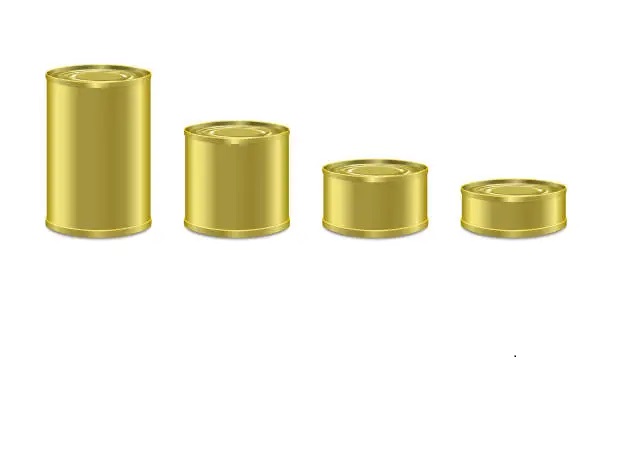
Matching Can Dimensions With Efficient Production Requirements

Selecting suitable can dimensions plays an important role in creating smooth, organized, and productive filling operations. The right size supports efficient material handling, consistent filling, convenient storage, and attractive product presentation. Careful planning also helps align container capacity with production targets while encouraging dependable workflow performance. By reviewing dimensions, capacity, shape, and handling requirements together, manufacturers can establish a practical packaging approach that supports quality and productivity.

Understanding Can Dimensions

Can dimensions influence several stages of production, from filling and sealing to transportation and storage.

  • Diameter affects equipment compatibility and handling stability.
  • Height influences filling volume and stacking arrangements.
  • Capacity helps match the container with intended product quantities.
  • Wall proportions can support strength and dependable performance.
  • Consistent dimensions encourage repeatable production results.

Reference resources such as https://www.levapack.com/standard-can-sizes/ can also help teams review common sizing considerations when planning suitable container formats.

Supporting Filling Efficiency

Smarter Packaging

Well-matched dimensions can make filling operations more organized and predictable.

  • Appropriate capacity reduces unnecessary overfilling or underfilling.
  • Uniform dimensions encourage consistent positioning during processing.
  • Suitable openings can support smooth product entry.
  • Balanced proportions can improve container stability.
  • Standardized sizes may simplify handling between production stages.

These advantages create a foundation for efficient workflows while supporting reliable output.

Improving Production Planning

Can size selection can contribute positively to broader production planning activities.

  • Multiple practical sizes can support different product quantities.
  • Consistent formats may simplify inventory organization.
  • Suitable dimensions can improve packing density.
  • Planned sizing can support efficient material utilization.
  • Clear specifications make production preparation easier.

A thoughtful approach allows packaging requirements to remain closely aligned with operational goals.

Enhancing Storage And Handling

Efficient dimensions provide benefits beyond the filling stage.

  • Stable shapes can make stacking more convenient.
  • Appropriate height-to-diameter ratios can support secure handling.
  • Consistent sizing can simplify storage arrangements.
  • Compact formats may encourage efficient use of available space.
  • Predictable dimensions can make transportation preparation smoother.

Better dimensional planning therefore supports an orderly flow from filling through final packaging.

Building Flexible Production Systems

Production requirements can change as product quantities and packaging needs evolve. Selecting versatile can dimensions can provide valuable flexibility.

  • Different capacities can accommodate varied fill requirements.
  • Consistent formats can support scalable production planning.
  • Practical dimensions can simplify future packaging adjustments.
  • Compatible sizes can encourage efficient equipment utilization.
  • Carefully selected containers can support dependable presentation.

Ultimately, matching can dimensions with production requirements creates a strong foundation for efficient packaging operations. Attention to capacity, proportions, filling compatibility, storage, and handling can improve workflow coordination while supporting consistent quality. With thoughtful dimensional planning, production teams can achieve a balanced packaging process that encourages productivity, organization, flexibility, and dependable results across routine operations.

September 4, 2026
More

What Sets All-Terrain Tyres Apart From Standard Options

“All-terrain” gets used as a marketing term often enough that plenty of drivers aren’t entirely sure what actually distinguishes it from a standard passenger tyre, beyond a slightly more rugged-looking tread pattern. The differences are genuine and functional, not just cosmetic, and understanding them helps clarify whether upgrading actually makes sense for your specific driving needs.

Tread Pattern and Block Design

Browsing a range like the one you’d find when you shop Falken Tyres makes the tread pattern difference immediately obvious. All-terrain tyres feature wider, more aggressive tread blocks with larger gaps between them, compared to the tighter, smoother patterns typically found on standard passenger tyres. This design allows loose material like dirt, gravel, and mud to be pushed out of the tread as the tyre rotates, maintaining better contact with the actual road or trail surface underneath.

Standard tyres, by contrast, are optimised for consistent, predictable performance on smooth sealed roads, where this kind of aggressive tread design isn’t necessary and would actually reduce comfort and efficiency.

Sidewall Construction and Durability

All-terrain tyres typically feature reinforced sidewalls, built to better resist punctures and damage from rocks, sticks, and general rough terrain encountered off sealed roads. This added durability matters significantly for drivers who regularly encounter unpredictable surfaces, where a standard tyre’s sidewall construction simply isn’t designed to handle the same level of impact and abrasion.

Standard passenger tyre sidewalls are built with different priorities in mind, generally optimising for a smoother ride and lower rolling resistance on consistent, sealed surfaces rather than resistance to sharp or uneven terrain.

Off-Road Traction vs On-Road Comfort

The practical difference in performance comes down to a fairly straightforward trade-off. All-terrain tyres offer noticeably better grip on gravel, dirt, and light mud compared to standard tyres, which can struggle to maintain traction once surfaces become loose or uneven. This improved off-road traction comes with a trade-off of slightly increased road noise and marginally reduced fuel efficiency during everyday sealed-road driving.

For drivers who never leave sealed roads, this trade-off offers little benefit. For those who regularly encounter unsealed surfaces, even semi-regularly, the improved traction generally outweighs the modest increase in road noise.

Load Capacity and Towing Considerations

Many all-terrain tyres, particularly those built for SUVs and 4WDs, offer higher load ratings than typical standard passenger tyres, reflecting the heavier vehicles and additional gear they’re often designed to support. This makes all-terrain tyres a sensible consideration for drivers who regularly tow trailers, carry camping equipment, or otherwise load their vehicle beyond typical passenger car weights.

Standard passenger tyres are generally built around lighter vehicle weights and more consistent, predictable loads, making them less suited to the demands of towing or carrying substantial additional weight.

Are All-Terrain Tyres Worth It for Your Vehicle?

Whether all-terrain tyres are genuinely worth it depends heavily on your actual driving conditions. Drivers who regularly encounter unsealed roads, gravel driveways, rural properties, or occasional off-road trips will likely find real, practical value in the improved traction and durability. Drivers whose vehicle stays entirely on sealed, urban roads are less likely to benefit meaningfully from the upgrade, and may find the trade-offs in noise and efficiency simply aren’t justified by their actual usage.

There’s no universal right answer here, the value genuinely depends on matching the tyre to how the vehicle is actually driven.

Making an Informed Upgrade Decision

The differences between all-terrain and standard tyres are real, spanning tread design, sidewall construction, traction, and load capacity, not simply a marketing distinction. Whether upgrading makes sense comes down to honestly assessing your own driving conditions rather than assuming one option is universally better. If you’re weighing up whether all-terrain tyres suit your vehicle and typical driving, it’s worth reflecting on how often you actually encounter unsealed roads before making the switch.

August 30, 2026
More

Strengthen Product Safety With Independent Quality Verification

Reliable office supplies contribute to productive workplaces where safety, consistency, and quality are valued every day. Organizations that depend on dependable sourcing benefit from structured evaluation methods that reduce uncertainty while maintaining high standards. When purchasing NHS procurement office supplies, adopting Risk-Managed Quality Control, Compliance & Certification Management helps create confidence throughout the sourcing process. Independent quality verification provides an additional layer of assurance by confirming that products meet established expectations before reaching the workplace.

Why Independent Quality Verification Matters

Independent verification supports sourcing decisions by ensuring products undergo objective assessment. Rather than relying only on supplier declarations, organizations can benefit from third-party reviews that examine quality, compliance, and manufacturing consistency. This proactive approach encourages dependable purchasing while promoting long-term value. Verification also strengthens supplier relationships because clear quality expectations encourage continuous improvement and transparent communication. As a result, buyers receive products that consistently align with operational requirements.

The Value of Risk-Managed Quality Control

Risk-managed quality control focuses on identifying potential issues before they affect daily operations. By evaluating production processes, inspection methods, and product specifications, organizations can maintain consistent standards across multiple sourcing channels.

Key advantages include:

  • Improved product consistency across every purchase.
  • Early identification of quality concerns.
  • Better supplier accountability through documented inspections.
  • Reduced operational disruptions caused by defective products.
  • Greater confidence in procurement decisions.

These practices create a dependable sourcing framework that supports efficiency while maintaining positive outcomes for both buyers and suppliers.

Compliance and Certification Management Benefits

Compliance and certification management ensure products satisfy applicable quality requirements and industry expectations. Organized documentation, certification tracking, and supplier assessments simplify procurement while encouraging transparency throughout the supply chain.

Important benefits include:

  • Verification of manufacturing standards.
  • Better documentation for procurement records.
  • Enhanced traceability across sourcing activities.
  • Consistent supplier evaluation processes.
  • Greater confidence in long-term purchasing strategies.

These measures help organizations build procurement systems that remain organized, reliable, and prepared for evolving quality expectations.

Building Long-Term Procurement Confidence

Independent quality verification is more than a single inspection process. It forms part of a broader sourcing strategy focused on continuous improvement, supplier collaboration, and responsible purchasing. Regular monitoring, documented compliance, and ongoing quality reviews help maintain consistent standards throughout every stage of procurement.

Organizations that invest in structured verification processes also strengthen operational efficiency by minimizing unnecessary delays and supporting dependable inventory management. Suppliers benefit from clearly defined expectations, while procurement teams gain greater visibility into product quality before purchases are finalized.

By combining Risk-Managed Quality Control with effective Compliance & Certification Management, organizations create a sourcing environment built on trust, consistency, and reliability. This balanced approach supports safer products, stronger supplier partnerships, and confident procurement decisions that contribute to sustainable success while maintaining high-quality office supply standards for the future.

August 2, 2026
More

Repair Services Offer Convenient Solutions For Household Furniture Needs

Repair services provide practical and dependable solutions for maintaining household furniture in excellent condition. Instead of replacing valuable furnishings, professional repairs help restore appearance, improve functionality, and extend usability. With timely attention and skilled workmanship, furniture can continue providing comfort, reliability, and lasting value for everyday living.

Restoring Furniture With Professional Care

Professional repair services focus on improving the condition of household furniture while preserving its original appeal. Careful restoration techniques help refresh worn pieces and maintain their overall quality for continued use.

  • Restores furniture to an attractive condition.
  • Preserves important design details.
  • Improves the overall appearance of furnishings.
  • Supports reliable everyday performance.
  • Extends the lifespan of valuable furniture.

Improving Functionality For Everyday Use

Furniture should remain comfortable and dependable throughout its lifespan. Repair services address common concerns and help ensure that household items continue serving their intended purpose effectively.

  • Enhances comfort and usability.
  • Improves structural stability.
  • Restores dependable functionality.
  • Supports smooth everyday use.
  • Encourages long-term reliability.

Providing Convenient And Efficient Solutions

Professional furniture repairs offer a convenient way to maintain household items without unnecessary replacement. Efficient services help restore furniture quickly while maintaining quality results.

  • Saves time through effective repairs.
  • Reduces the need for replacement.
  • Supports convenient maintenance options.
  • Delivers dependable restoration outcomes.
  • Helps preserve household comfort.

Protecting Valuable Household Investments

Furniture represents an important part of everyday living and deserves proper care. Timely repairs help preserve its value, maintain durability, and ensure continued usefulness for years to come.

  • Protects valuable household assets.
  • Maintains long-term furniture quality.
  • Encourages responsible furniture care.
  • Supports lasting durability.
  • Preserves everyday functionality.

Supporting A Comfortable Living Environment

Well-maintained furniture contributes to an inviting and organized home. Professional repairs improve both appearance and performance, creating a pleasant atmosphere for daily activities.

  • Enhances the comfort of living spaces.
  • Improves the overall appearance of interiors.
  • Maintains furniture in dependable condition.
  • Supports a welcoming environment.
  • Creates long-lasting satisfaction.

Exploring Reliable Furniture Repair Options

Professional repair solutions help households maintain furniture with confidence and ease. Services associated with POS Service group demonstrate the importance of dependable repair methods that focus on quality, durability, and long-term furniture care.

  • Encourages effective maintenance practices.
  • Supports consistent furniture preservation.
  • Improves overall furniture condition.
  • Promotes dependable repair solutions.
  • Creates positive restoration experiences.

Encouraging Long-Term Furniture Maintenance

Regular repairs and ongoing care help furniture remain functional and attractive over time. Consistent maintenance reduces wear, preserves quality, and supports continued enjoyment of household furnishings.

  • Encourages preventive furniture care.
  • Helps maintain long-lasting performance.
  • Supports attractive household interiors.
  • Improves furniture durability.
  • Promotes lasting household value.

Conclusion

Repair services offer convenient solutions for household furniture needs by restoring appearance, improving functionality, and extending furniture lifespan. They provide practical ways to preserve valuable furnishings while maintaining comfort and reliability. Through professional care, timely repairs, and regular maintenance, household furniture can continue delivering beauty, usefulness, and long-term satisfaction.

July 10, 2026
More

What Bespoke Wet Area Remodeling Looks Like at the High End

High-end wet areas don’t “show off.” They resolve.

If you’re picturing a space where every line lands cleanly, where materials feel quiet but expensive, and where the shower doesn’t look like a product catalog exploded, good. That’s the right instinct. The best bespoke wet rooms feel inevitable, like they couldn’t have been assembled any other way.

And yes, it takes patience. Money too. But mostly patience.


 Defining the wet area (before you buy anything shiny)

Start with purpose, not Pinterest.

A bespoke wet area is basically a micro-architecture project: bathing, soaking, rinsing, drying, dressing. Those are different use cases, and when they’re forced into one undifferentiated “wet zone,” the room gets loud fast, visually and functionally. Looking at examples of Kuda bespoke wet area remodeling can also help clarify how smart zoning turns a beautiful room into one that actually works.

I’ll get a little technical here because it matters: your layout should be drawn around water behavior and body movement.

– Where does water land?

– Where does it run?

– Where do you stand still (shaving legs, rinsing hair, toweling off)?

– What gets opened with wet hands?

Scale is the other trap. Bigger isn’t automatically better. A 9′ long shower with a single head at one end can feel like an airport corridor. A tighter enclosure with perfectly aligned sightlines can feel like a spa suite. I’ve seen both, and the second one usually wins.

One-line truth:

Restraint is the real luxury.


 Texture does the talking (color doesn’t have to)

If you want the room to read “custom,” don’t chase contrast. Chase tactility.

That means warm stone with a honed finish, satin or silk-matte porcelain, a controlled amount of metal, and grout lines that don’t announce themselves from across the house. The palette can be beige, gray, off-white, even near-monochrome, and still feel rich, if the textures are layered with intention.

Now, this won’t apply to everyone, but… if you’re using three different marbles, two mosaics, and a statement tile niche, you’re probably buying complexity because the design didn’t have conviction.

A nice approach I’ve watched succeed repeatedly:

– One primary field surface (walls)

– One grounding surface (floor) with real slip performance

– One accent material, used once, crisply (not sprinkled everywhere like confetti)


 Materials and tech: buy quiet performance, not bragging rights

Look, stone is gorgeous. So is porcelain. So are modern composites. The “best” material is the one that behaves in a wet environment for decades without turning into a maintenance hobby.


 Surfaces that actually hold up

Natural stone can be incredible in a wet area, but only when you pair it with the right finish and detailing. Polished marble inside a daily-use shower is a romantic idea that can turn on you. Honed finishes, tight slope control, and disciplined sealing schedules help (and yes, you’ll still get patina).

Porcelain slabs (large-format, rectified, high-quality) are having a moment for good reason: fewer grout lines, consistent performance, and they don’t “react” emotionally to shampoo bottles.

Engineered panels and composites can be brilliant too, especially when the client wants seamlessness and low absorption. The trick is choosing systems with proven track records, not a brand-new product with pretty samples.


 A quick, nerdy data point

If you’re thinking about safety underfoot, slip resistance isn’t vibes, it’s testing. In the U.S., ANSI A326.3 is a common standard used for evaluating dynamic coefficient of friction (DCOF) for hard surface flooring. Many specifiers target DCOF ≥ 0.42 for level interior spaces that may get wet.

Source: TCNA / ANSI A326.3 (Tile Council of North America references this standard in slip-resistance guidance).

That number doesn’t magically guarantee you won’t slip, but it’s a better filter than “the tile felt okay at the showroom.”


 Tech should disappear

High-end clients often ask for smart controls, and I’m not against them. I just hate when they dominate the wall like a spaceship dashboard.

The best setups are:

– Thermostatic valves with separate volume control (stable temperature, less fiddling)

– A simple interface in a logical reach zone

– Service access planned from day one (because someday someone will need it)

If you want voice control, fine. Keep the physical controls excellent anyway. When Wi‑Fi drops, the shower shouldn’t.

(Also: please don’t install a glowing touchscreen directly in the primary sightline of a calm stone wall. It kills the mood instantly.)


 Hot take: frameless glass isn’t always the answer

Everyone defaults to frameless glass like it’s automatically “luxury.” Sometimes it is. Sometimes it’s just… glass.

A truly seamless shower can use glass, yes, but the real tell is alignment: glass edge to tile edge, drain geometry that matches the grid, corners that look intentional rather than “good enough.”

The boundary should feel like one quiet gesture.

A few specialist moves that separate high-end from expensive:

– Linear drains aligned with tile modules (or deliberately offset, but with a reason)

– Miters that are crisp without razor edges

– Minimal silicone exposure (strategic, not smeared)

– Doors that close with precision and don’t drift over time

Lighting matters here more than people think. Grazing light will reveal uneven substrates and lippage immediately. Which is why…


 Lighting isn’t decoration. It’s quality control.

If you want to see craftsmanship, give it the right light.

Layering is where the money goes: ambient for calm, task for function, and accent for material truth. Recessed LEDs can work beautifully, but they need thoughtful placement so they don’t create glare on glass or highlight every droplet like a crime scene.

I’m a fan of:

– Dimmable, high-CRI lighting so stone and tile read naturally

– Soft directional illumination that skims texture

– Hidden or recessed fixtures where possible (less ceiling clutter)

Skylights can be stunning, though they require serious detailing and waterproofing discipline. Done wrong, they’re a future repair disguised as a design feature.


 Smart systems for longevity (not for novelty)

Here’s the thing: “smart” in a wet area should mean reliable, not complicated.

Automation that actually earns its keep:

– Humidity-sensing ventilation that runs long enough to matter

– Scene-based lighting (bright clean-up, soft night, morning wake)

– Heated floors on timers (and zoned, if the layout calls for it)

Pick components with long support cycles and serviceability. In my experience, the fanciest interface is rarely the one that’s easiest to repair five years later. Boring is good. Boring lasts.

One short paragraph, because it’s true:

A wet area should work beautifully even if every app on your phone disappears tomorrow.


 Build milestones that keep the whole thing from going sideways

Not every project needs a dramatic “design-build journey.” High-end wet areas need a few non-negotiable checkpoints, and skipping them is how you end up with premium materials installed over mediocre prep.


 The order that protects you

  1. Master plan + coordination: plumbing, electrical, framing, ventilation, structure. Get it resolved early so you’re not cutting Swiss cheese holes later.
  2. Substrate perfection: flatness, slope, corners, transitions. This is where “luxury” is secretly won.
  3. Waterproofing system installed as a system: not a collage of products. Follow one manufacturer’s assembly rules.
  4. Tile/stone execution: layout set-outs, sliver cuts avoided, grout joints consistent, corners detailed.
  5. Glass templating after tile is final: not “close enough.” Actual final dimensions.
  6. Commissioning: test flow rates, temperature stability, drainage, ventilation performance, lighting scenes.

I’m opinionated on this: commissioning should feel almost clinical. Turn everything on. Run it. Listen for rattles. Check for cold spots. Watch the drain under real load. If a contractor tells you that’s unnecessary, they’re telling you they don’t want to find problems while they can still fix them cleanly.


 The real outcome

When bespoke wet area remodeling is done at the top of the market, the room doesn’t beg for attention. It rewards use.

The stone feels grounded. The glass disappears when you’re not thinking about it. Water goes exactly where it should. Controls land under your hand like they belong there. And the details, those crisp joints, that disciplined lighting, don’t announce themselves.

They just keep paying you back, quietly, every morning.

April 27, 2026
More